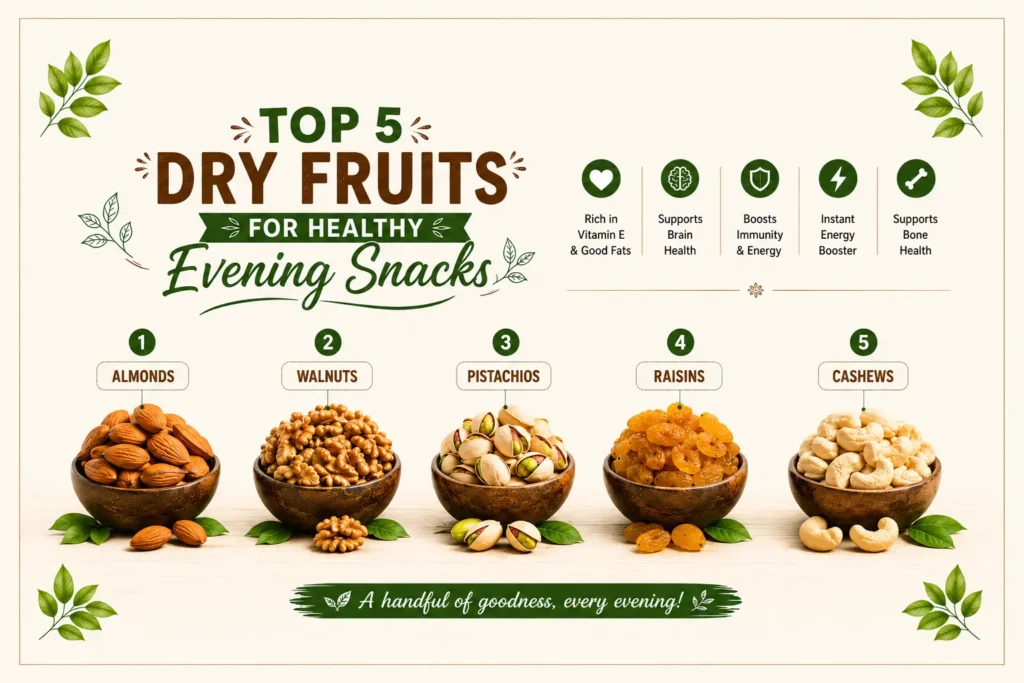
Dry fruits are a staple in most Indian homes, whether it’s for daily consumption, festive gifting, or health routines. But with changing shopping habits, many people now face a common dilemma: should you buy dry fruits online or from the local market?
Both options have their pros and cons, and the right choice depends on factors like quality, price, trust, and convenience. Let’s explore this comparison in a realistic, experience-based way.
Buying Dry Fruits From the Local Market
Local markets have been the traditional source of dry fruits for decades. From neighbourhood kirana stores to wholesale mandis, this method still has strong appeal.
Advantages of Buying Locally
One of the biggest benefits is physical inspection. You can:
- See the size, colour, and texture
- Smell the freshness
- Compare quality across sellers
- Negotiate prices in some cases
Local vendors also often build long-term relationships, which creates trust over time.
Limitations of Local Markets
However, local markets aren’t always perfect.
Common issues include:
- Lack of proper packaging
- Exposure to dust, moisture, and heat
- No clear information about origin or processing
- Inconsistent quality between batches
In many cases, dry fruits are stored in open containers, which can affect hygiene and shelf life.
Buying Dry Fruits Online
Online dry fruit shopping has grown rapidly, especially among health-conscious and urban consumers. With a few clicks, you can access a wide range of products from different regions.
Advantages of Buying Dry Fruits Online
Online platforms offer:
- Detailed product descriptions
- Information about sourcing and processing
- Hygienic, sealed packaging
- Access to premium and exotic varieties
- Home delivery convenience
Many online brands also follow strict quality checks and offer certifications, which adds transparency.
Common Concerns With Online Buying
Despite the convenience, some buyers hesitate to shop online due to:
- Inability to physically inspect the product
- Fear of receiving stale or low-quality items
- Price concerns compared to local markets
These risks are real, but they can be reduced by choosing reliable, well-reviewed sellers.
Price Comparison: Online vs Local
Price varies depending on quality, sourcing, and brand.
- Local markets may offer lower prices for basic varieties
- Online stores often provide better value for premium grades
- Discounts and bulk offers are more common online
What matters most is not just price, but price-to-quality ratio.
Quality & Freshness: What Matters More?
Quality depends on:
- Storage conditions
- Turnover rate
- Packaging
- Supply chain efficiency
A good online seller with controlled storage may offer fresher dry fruits than a local shop with slow turnover—and vice versa.
This is why seller credibility matters more than the platform.
Which Option Is Better for Regular Consumption?
For daily use:
- Local markets work well if you trust the vendor
- Online platforms are ideal for consistency and convenience
For gifting or premium consumption:
- Online shopping usually offers better presentation and quality assurance
How to Make the Right Choice
Instead of choosing one over the other, many consumers now use a hybrid approach:
- Buy everyday dry fruits locally
- Order premium or specialty dry fruits online
- Compare quality before committing to bulk purchases
Final Thoughts
There’s no universal answer to where you should buy dry fruits. Both online and local markets have their place.
The smartest choice is to focus on:
- Quality over price
- Trusted sellers over impulse buys
- Proper storage and freshness
When chosen wisely, dry fruits—no matter where you buy them from—can remain a powerful part of a healthy diet.