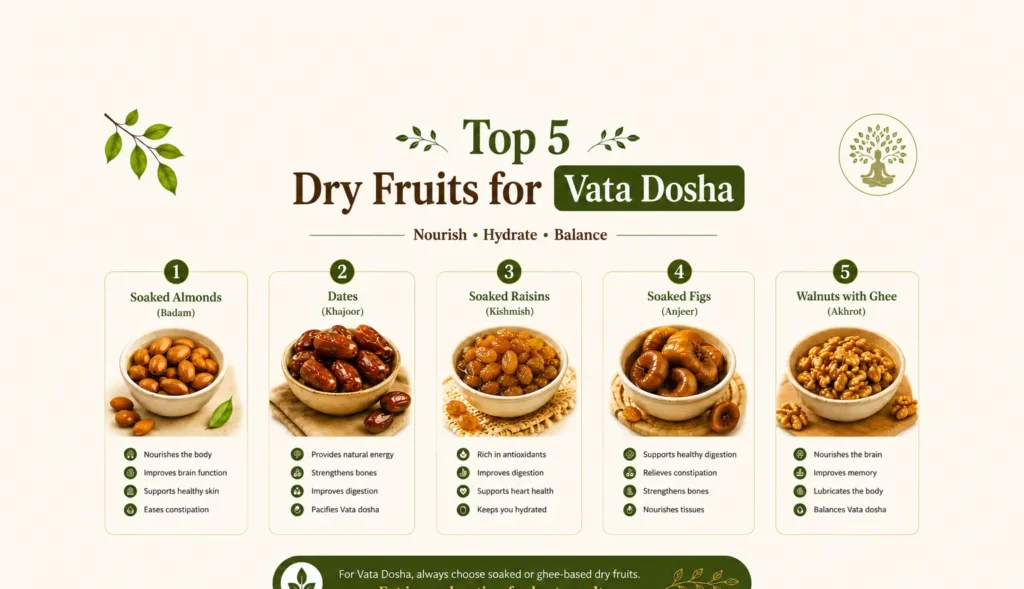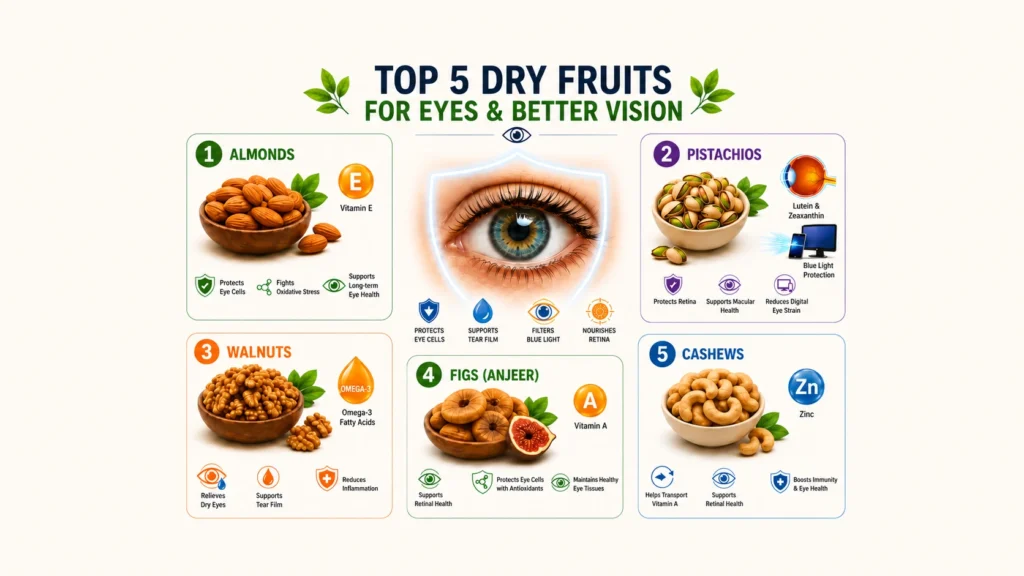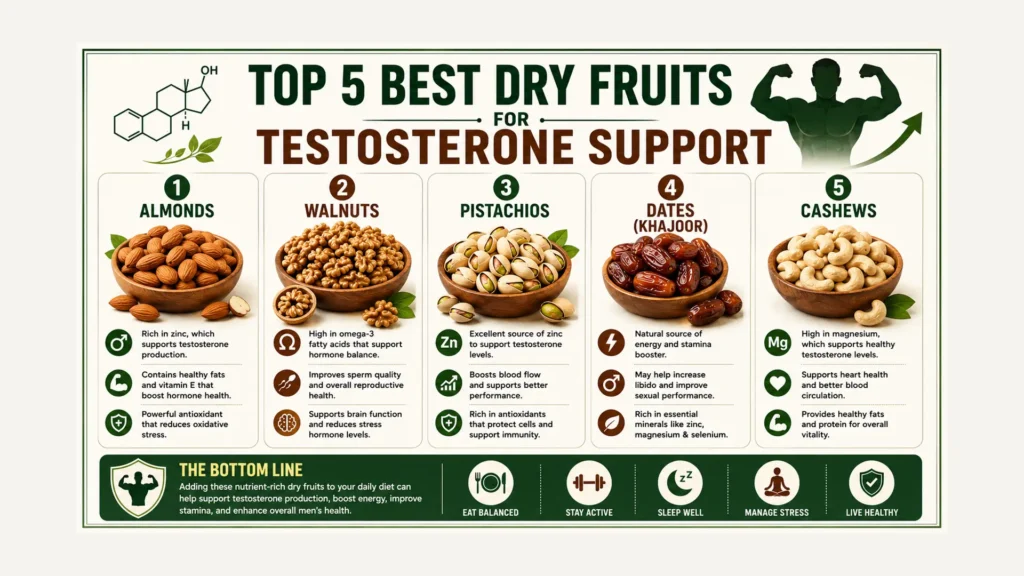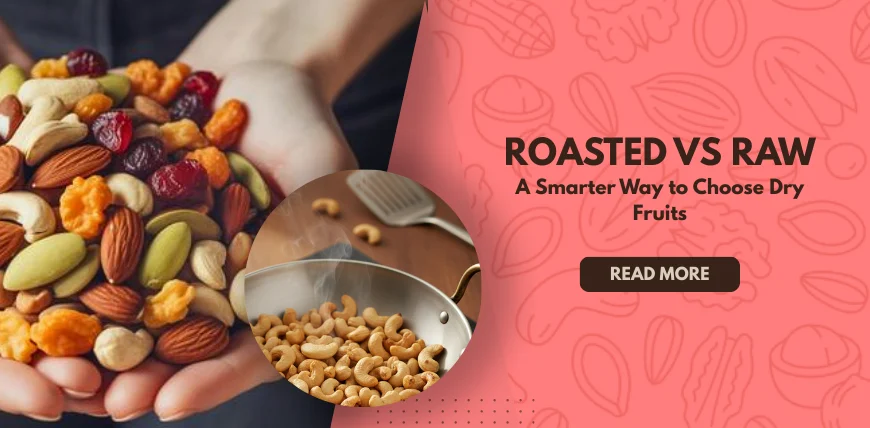
Roasted vs raw dry fruits is a common question for health-conscious consumers who want to choose the most nutritious option for their daily diet. Dry fruits have been a part of Indian households for generations. From soaked almonds every morning to cashews in festive sweets, they’ve always been associated with health and nourishment. But in recent years, a common question has started popping up more often: are roasted dry fruits healthier than raw ones, or is it the other way around?
If you’ve ever stood confused in front of a supermarket shelf or an online product page wondering which option to choose, you’re not alone. The truth is, both roasted and raw dry fruits have their own benefits. The real answer depends on your health goals, lifestyle, and how they are processed.
Let’s break it down in a simple, practical way.
Understanding Raw Dry Fruits
Raw dry fruits are those that haven’t undergone any heat processing. They are usually cleaned, dried naturally or mechanically, and packed without roasting or seasoning.
Nutritional Benefits of Raw Dry Fruits
Raw dry fruits are often considered the most “natural” form. Since they are not exposed to heat, their original nutrient profile remains intact.
Some key benefits include:
- Higher levels of heat-sensitive vitamins like vitamin B and certain antioxidants
- Natural enzymes that aid digestion
- No added oils, salt, or seasoning
- Lower risk of unwanted calories from roasting fats
For example, raw almonds are rich in vitamin E, magnesium, and healthy fats, while raw walnuts contain omega-3 fatty acids that support heart health.
Who Should Prefer Raw Dry Fruits?
Raw dry fruits are especially beneficial for:
- People focusing on clean eating
- Those managing cholesterol or blood sugar levels
- Anyone following a minimal-processed food diet
- People who soak nuts before consumption for better digestion
That said, raw dry fruits aren’t perfect for everyone.
The Challenge With Raw Dry Fruits
While raw dry fruits are nutritionally rich, they can sometimes be harder to digest. Many raw nuts contain phytic acid, a natural compound that can interfere with the absorption of minerals like iron and zinc.
This is why soaking raw nuts overnight is a common practice—it helps reduce phytic acid and improves digestibility.
For people with sensitive digestion, eating large quantities of raw dry fruits may cause bloating or discomfort.
What Are Roasted Dry Fruits?
Roasted dry fruits are heated at controlled temperatures to enhance flavour, texture, and shelf life. Roasting can be done dry (without oil) or with oil, and sometimes with added salt or spices.
Nutritional Benefits of Roasted Dry Fruits
Roasting doesn’t automatically make dry fruits unhealthy. In fact, dry roasting (without oil) can offer certain advantages.
Key benefits include:
- Improved taste and crunch, making them easier to include in daily diets
- Better digestibility for some people
- Reduced moisture content, which increases shelf life
- Lower levels of certain anti-nutrients like phytic acid
For people who struggle to enjoy raw nuts, roasted versions often make consistency easier.
Does Roasting Destroy Nutrients?
This is one of the biggest concerns. The answer is: it depends on how the roasting is done.
- Light or medium roasting preserves most nutrients
- Excessive heat can reduce vitamin E and antioxidants
- Oil-roasted and heavily salted nuts add unnecessary calories and sodium
Dry-roasted almonds or cashews, for example, still retain healthy fats and protein, but extremely high temperatures may slightly reduce some micronutrients.
Roasted vs Raw: A Nutritional Comparison
Instead of asking which is healthier, a better question is: which one suits your needs better?
Raw dry fruits:
- Higher vitamin retention
- Zero processing
- Best for soaking and traditional consumption
Roasted dry fruits:
- Easier digestion for some
- Better taste and convenience
- Longer shelf life
If you’re eating dry fruits daily, variety is actually the smartest approach.
Which Option Is Better for Weight Management?
Both roasted and raw dry fruits are calorie-dense, so portion control matters more than the form.
However:
- Raw dry fruits may keep you full longer due to higher fibre integrity
- Roasted dry fruits are easier to overeat because of taste and crunch
If weight loss is your goal, raw or lightly roasted dry fruits in controlled quantities work best.
What Should You Avoid?
Regardless of raw or roasted, watch out for:
- Deep oil-roasted dry fruits
- Excess salt or sugar coatings
- Artificial flavouring
- Low-quality sourcing
Health benefits come not just from the type, but from quality and moderation.
Final Verdict: Which One Should You Choose?
There is no single winner. Raw dry fruits are ideal for maximum nutrition, while roasted dry fruits are great for taste, convenience, and digestion.
If possible:
- Use raw dry fruits for soaking and daily health routines
- Choose dry-roasted options for snacking
- Avoid heavily processed or flavoured versions
The healthiest choice is the one that fits into your lifestyle consistently.