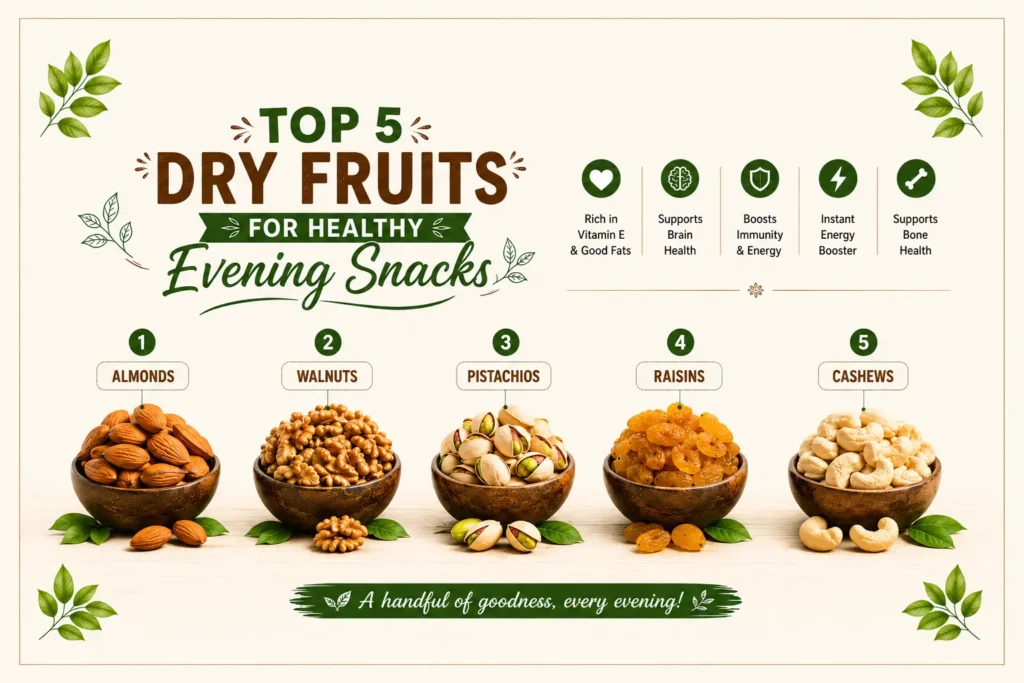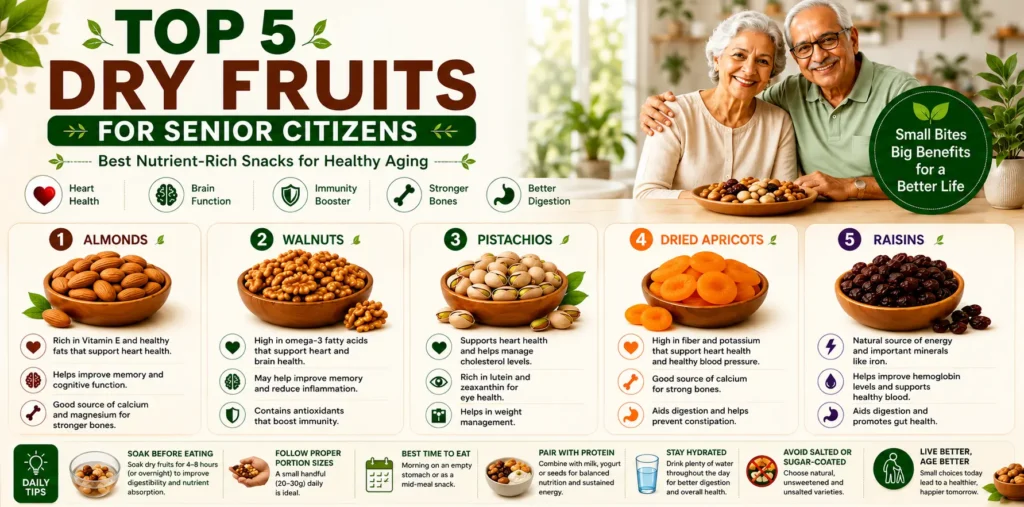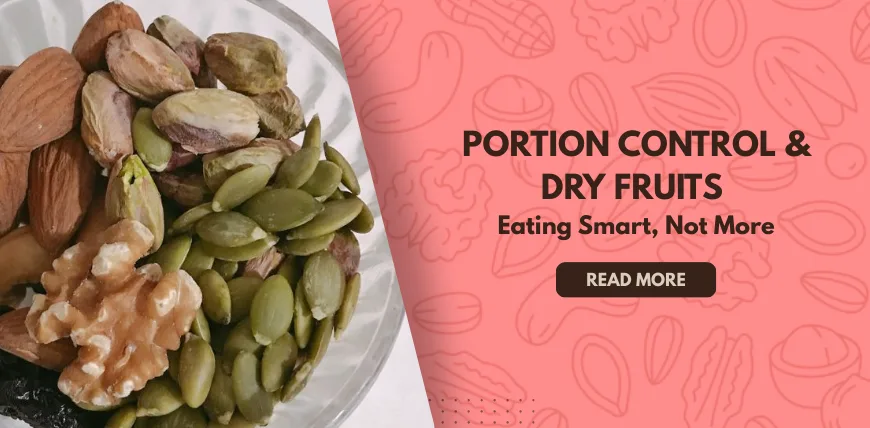
Ultimate guide to dry fruits is not just about choosing what to eat, but also understanding how dry fruits support teen energy, how much is the right portion, and how the industry is evolving to meet modern health needs. In the modern world, where “superfood” trends come and go like seasons, dry fruits have remained a steadfast pillar of human nutrition for millennia. However, as we navigate through 2026, our relationship with these concentrated powerhouses is becoming more sophisticated. No longer just a casual snack found in a holiday gift basket, dry fruits are now recognized as essential tools for developmental health, precision dieting, and ethical consumerism.
This guide explores the multifaceted world of dry fruits—from fueling the high-octane life of a teenager to understanding the subtle science of portion control and the global shifts in how these products are brought to our tables.
Dry Fruits for Growing Teens: Supporting Energy and Focus
The teenage years are a period of biological intensity. Between the ages of 13 and 19, the body undergoes a massive physical transformation, while the brain performs a complex “pruning” process to prepare for adulthood. This double demand for physical and cognitive fuel makes the choice of snacks incredibly important. Unlike processed granola bars or sugary “energy” drinks that provide a fleeting spike followed by a devastating crash, dry fruits offer a steady, reliable stream of energy.
Cognitive Fuel and Academic Performance
For a teenager facing a week of final exams or high-stakes standardized testing, cognitive endurance is everything. Walnuts are perhaps the most famous “brain food” in this category. They are uniquely high in alpha-linolenic acid (ALA), a type of Omega-3 fatty acid that is fundamental to brain health. These healthy fats help maintain the integrity of cell membranes in the brain, facilitating better communication between neurons. This translates to improved memory retention and faster processing speeds.
Beyond walnuts, almonds are a goldmine for Vitamin E. This fat-soluble antioxidant plays a critical role in preventing cognitive decline and protecting the brain from oxidative stress caused by late nights and high-stress environments. Furthermore, the presence of magnesium in almonds helps in neurotransmitter function, which can help stabilize the mood swings and anxiety often associated with the teenage years.
Sustained Vitality for Physical Growth
Physical growth spurts require a surplus of minerals like calcium, magnesium, and phosphorus. Dried figs and apricots are excellent plant-based sources of these minerals, supporting bone density during the years when it matters most. For the athletic teen, dates and raisins act as a natural fuel source. Dates are rich in glucose, sucrose, and fructose, providing an immediate lift for an afternoon practice, while their high fiber content ensures that the sugar doesn’t cause an unhealthy insulin spike.
Iron deficiency is another common hurdle during adolescence, particularly for young women. A handful of raisins or dried apricots can provide a significant portion of the daily required iron, which is essential for carrying oxygen in the blood and keeping fatigue at bay. When a teen feels “sluggish” for no apparent reason, it’s often a sign that their iron levels need a boost—a job perfectly suited for these naturally sweet treats.
Portion Control Matters: How Much Dry Fruit Is Too Much?
While the nutritional density of dry fruits is their greatest strength, it is also their biggest risk factor. Because the dehydration process removes water, the sugar and calorie content are highly concentrated. It is remarkably easy to consume more calories than intended when snacking directly from a large bag. Understanding the fine line between “nutritious” and “excessive” is the key to reaping the benefits without the side effects.
The Science of Concentration
To put things into perspective, consider a fresh grape versus a raisin. It takes roughly four to five grapes to make a single tablespoon of raisins. While you might feel full after eating a large bowl of fresh grapes due to the high water content, you could easily eat the caloric equivalent of three bowls of grapes in just a few minutes if they are dried. This lack of “volume” in the stomach means the satiety signals often reach the brain too late, leading to overconsumption.
For most individuals, a healthy daily serving of mixed dry fruits and nuts should not exceed 30 grams. In practical terms, this is roughly what can fit into the small “cup” of your palm. If you are reaching for almonds, five to seven pieces are generally sufficient for a single day. If you prefer walnuts, two or three halves provide all the Omega-3s your brain requires. When it comes to the highly sweet varieties like dates or dried mango, limiting yourself to one or two pieces prevents an accidental sugar overload that could lead to a mid-afternoon energy slump.
Managing the Side Effects of Overindulgence
Eating too much dry fruit can lead to several physiological discomforts. First and foremost is digestive distress. Dry fruits are incredibly high in dietary fiber. While fiber is essential for gut health, a sudden influx can overwhelm the digestive system, causing bloating, cramping, and gas. It is always recommended to drink plenty of water when eating dry fruits to help the fiber move smoothly through the digestive tract.
Additionally, some dry fruits are treated with sulfur dioxide to maintain their bright colors—think of those neon-orange dried apricots. In sensitive individuals, or when consumed in large quantities, these sulfites can trigger respiratory issues or skin rashes. Furthermore, many commercially available “dried fruits” are actually “candied,” meaning they have been soaked in sugar syrup before drying. Consuming these in large portions is essentially the same as eating candy, which can lead to weight gain and increased risk of metabolic issues over time.
How Consumer Awareness Is Changing the Dry Fruits
Industry
We are currently living in an era of the “Informed Consumer.” People are no longer satisfied with simply knowing that a product is healthy; they want to know the “who, where, and how” behind their food. This shift in mindset is forcing the dry fruits industry to undergo its most significant transformation in decades.
Transparency and the “Clean Label” Revolution
Transparency has become the new currency of the food industry. Modern shoppers are scrutinizing labels for more than just calorie counts. There is a growing demand for “Clean Label” products—those that are free from artificial preservatives, added sugars, and synthetic dyes. This has led to the rise of “sun-dried” and “unsulfured” varieties. Consumers are now choosing the brown, naturally dried apricot over the chemically preserved orange one because they prioritize chemical-free purity over aesthetic perfection.
Moreover, the demand for “raw” and “activated” nuts has surged. Activation involves soaking nuts to reduce phytic acid, making the nutrients easier for the body to absorb. This trend is a direct result of consumers educating themselves on bio-availability and gut health, moving the industry away from heavily salted and oil-fried nuts toward more natural, health-focused processing methods.
Ethics, Sustainability, and the Power of the Purchase
The modern consumer is deeply concerned with the environmental and social impact of their diet. The dry fruits industry has faced criticism in the past regarding water usage—particularly with almond farming—and labor practices in cashew harvesting. In response, 2026 has seen a massive move toward regenerative agriculture and Fair Trade certification.
People are now willing to pay a premium for brands that can prove they use sustainable irrigation techniques or that ensure cashew workers are protected from the caustic oils found in the shells. Traceability technologies, such as QR codes that link a package back to a specific farm or cooperative, are becoming standard. This allows consumers to vote with their wallets, supporting ethical farmers and pushing the industry toward a more sustainable future.
Innovative Packaging and Functional Blends
Finally, consumer awareness regarding plastic waste has revolutionized packaging. We are seeing a significant shift toward compostable materials and “bulk-buy” models that reduce the carbon footprint of shipping and packaging. Simultaneously, the industry is innovating with “functional blends.” Instead of just a bag of mixed nuts, consumers can now buy specific formulations designed for “Immunity,” “Sleep Support,” or “Pre-Workout Energy.” These blends often combine traditional dry fruits with super-ingredients like turmeric, ginger, or tart cherry, catering to a population that views food as medicine.
The world of dry fruits is much larger than it appears. Whether it is providing the essential building blocks for a teenager’s developing mind, mastering the art of the “handful” to maintain a balanced weight, or demanding a more ethical supply chain, our choices as consumers are shaping the future of health and industry. By treating these small snacks with the respect their nutritional profile deserves, we can enjoy a healthier, more sustainable lifestyle.
Would you like me to help you design a specific “Daily Handful” mix tailored to your personal health goals, such as improving skin glow or boosting heart health?