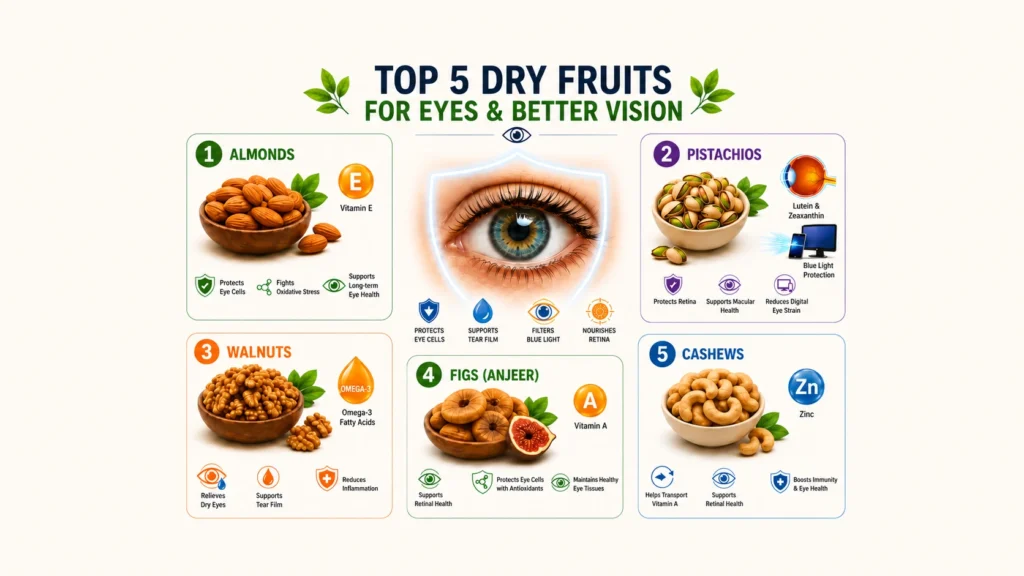
Managing blood sugar levels is an important part of maintaining overall health, especially for individuals who are prediabetic, diabetic, or simply trying to follow a balanced diet. While dry fruits are often praised for their nutrition, many people wonder whether they are suitable for maintaining stable blood sugar levels.
The good news is that certain dry fruits can support blood sugar balance when consumed in the right portions. At the same time, some varieties should be eaten more carefully due to their natural sugar content. Understanding which dry fruits to prioritize and which ones to limit can help you enjoy their benefits without negatively affecting your blood sugar.
Why Dry Fruits Can Support Blood Sugar Balance
Dry fruits are nutrient-dense foods that provide healthy fats, fiber, protein, and essential minerals. These nutrients help slow down the absorption of sugars in the body, preventing sudden spikes in blood glucose levels.
Some key benefits include:
- Fiber content, which helps regulate digestion and sugar absorption
- Healthy fats, which promote satiety and slow carbohydrate digestion
- Magnesium and antioxidants, which support metabolic health
When eaten in moderation, dry fruits can be a smart addition to a blood sugar–friendly diet.
Dry Fruits That Help Maintain Stable Blood Sugar
Certain dry fruits have a lower glycemic impact and contain nutrients that support steady energy levels. These options are generally considered better choices for blood sugar management.
Almonds
Almonds are one of the best dry fruits for maintaining blood sugar balance. They are low in carbohydrates and rich in healthy fats and protein.
Benefits of almonds include:
- Slower sugar absorption due to healthy fats
- High fiber content that supports digestion
- Magnesium, which may support insulin sensitivity
Eating a small handful of almonds as a snack can help prevent sudden hunger and stabilize energy levels.
Walnuts
Walnuts are another excellent option for those watching their blood sugar. They are rich in omega-3 fatty acids and contain very little sugar.
Key advantages include:
- Healthy fats that help control appetite
- Nutrients that support heart health
- Low glycemic impact
Walnuts are ideal for adding to breakfast bowls, salads, or smoothies.
Pistachios
Pistachios offer a balanced combination of protein, fiber, and healthy fats. This makes them a satisfying snack that does not significantly spike blood sugar when eaten in moderation.
Benefits include:
- Natural fiber that slows digestion
- Moderate carbohydrate levels
- High satiety value that prevents overeating
Pistachios also make a convenient snack for those trying to manage portion sizes.
Cashews (In Moderation)
Cashews contain slightly more carbohydrates than some other nuts, but they can still be included in a balanced diet if eaten in small quantities.
They provide:
- Healthy fats
- Iron and magnesium
- Protein that helps maintain energy levels
Keeping portion sizes controlled is important when consuming cashews.
Dry Fruits to Consume Carefully
Some dried fruits contain higher levels of natural sugars because the drying process concentrates their sweetness. While they still offer nutritional benefits, they should be eaten more cautiously when managing blood sugar.
Raisins
Raisins are rich in antioxidants and minerals but also contain natural sugars in concentrated form.
Consider the following:
- Small portions are important
- Pairing raisins with nuts can reduce sugar spikes
- Avoid large servings at once
Adding a small amount of raisins to oatmeal or yogurt is usually a better option than eating them alone.
Dates
Dates are highly nutritious but naturally very sweet. Their sugar content makes them a food that should be eaten sparingly by those managing blood sugar.
Tips for consumption:
- Limit to one or two dates occasionally
- Combine with nuts to slow sugar absorption
- Avoid frequent large portions
Dried Figs
Dried figs contain fiber and minerals but also have a relatively high natural sugar concentration.
Moderation is key, and it’s best to consume them alongside protein or healthy fats.
Portion Control Is Essential
Even healthy dry fruits can affect blood sugar if consumed in large quantities. Maintaining appropriate portion sizes is one of the most important habits for blood sugar balance.
A typical daily portion may include:
- 5–7 almonds
- 2 walnut halves
- 5–7 pistachios
- 1 tablespoon of raisins (occasionally)
These amounts can vary depending on individual dietary needs, so it’s always helpful to consult a nutrition professional if necessary.
Pair Dry Fruits with Other Foods
Combining dry fruits with other nutrient-rich foods can further help regulate blood sugar levels.
Good combinations include:
- Almonds with yogurt
- Walnuts with oatmeal
- Pistachios with fresh fruit
- Raisins mixed with nuts instead of eaten alone
Pairing dry fruits with protein, fiber, or healthy fats slows digestion and prevents rapid glucose spikes.
Avoid Sugary or Flavored Dry Fruits
Many packaged dry fruits are coated with sugar, honey, or artificial flavorings. These added ingredients can significantly increase the sugar content and reduce the health benefits.
When buying dry fruits, look for:
- Unsweetened varieties
- Minimal processing
- Natural ingredients without added sugar
Choosing natural dry fruits helps maintain better control over sugar intake.
Best Time to Eat Dry Fruits for Blood Sugar Control
Timing can also play a role in managing blood sugar.
Healthy habits include:
- Eating dry fruits as a mid-morning or afternoon snack
- Pairing them with breakfast foods
- Avoiding large portions late at night
Spreading dry fruit intake throughout the day can help maintain steady energy levels.
Conclusion
Dry fruits can absolutely be part of a balanced diet for maintaining healthy blood sugar levels when consumed thoughtfully. Nuts like almonds, walnuts, and pistachios are excellent options because they contain healthy fats, fiber, and protein that help regulate sugar absorption.
At the same time, naturally sweet dried fruits such as raisins, dates, and figs should be enjoyed in moderation due to their higher sugar concentration. By practicing portion control, choosing natural varieties, and combining dry fruits with other nutrient-rich foods, you can enjoy their flavor and nutritional benefits while supporting stable blood sugar levels.
With mindful consumption and balanced habits, dry fruits can become a valuable addition to a healthy lifestyle focused on long-term wellness.