Dry fruits for weight management are often misunderstood, but when eaten the right way, they can actually support your fitness goals. Some call them a superfood; others fear their calorie count. So what’s the real story?
In this blog, we’ll clear up common myths, explore facts rooted in nutritional science, and give you practical tips on how to include dry fruits smartly in a weight-conscious lifestyle.
Let’s separate the hype from the health.
Myth 1: “Dry Fruits Are Fattening — Avoid Them During Weight Loss”
The truth? It’s all about quantity and context.
Yes, dry fruits are calorie-dense. But they’re also packed with fiber, healthy fats, protein, antioxidants, and essential minerals — nutrients your body actually needs, especially when you’re cutting down on processed carbs or junk snacks.
What makes dry fruits “fattening” isn’t the food itself — it’s overconsumption, often while mindlessly snacking.
What to do:
- Stick to controlled portions: A small handful a day (around 20–30 grams) is enough.
- Eat them mindfully, not in front of screens or straight from the jar.
Myth 2: “All Dry Fruits Have Too Much Sugar”
Not quite. It depends on the type of dry fruit and how it’s processed.
There’s a big difference between:
- Natural dry fruits like dates, raisins, or figs — which contain natural fruit sugars
- And candied or sweetened versions (e.g., sugar-coated cranberries or glazed cherries)
The natural ones provide slow-releasing energy and can reduce sweet cravings in a healthy way.
What to do:
- Choose unsweetened and unprocessed options
- Read the label: Watch for added sugars, syrups, or preservatives
Myth 3: “Nuts Are Too High in Calories to Be a Healthy Snack”
It’s true that almonds, walnuts, cashews, and pistachios contain fats — but these are mostly heart-healthy monounsaturated and polyunsaturated fats. When eaten in moderation, nuts can actually support metabolism, satiety, and balanced blood sugar levels.
In fact, multiple studies suggest that people who eat nuts regularly tend to manage their weight better over time.
Ideal daily portions:
- Almonds: 6–8 pieces
- Walnuts: 2 halves
- Cashews or pistachios: Around 8–10 pieces
- Raisins/dates/figs: 2–3 pieces
Myth 4: “You Should Avoid Dry Fruits at Night”
There’s no universal rule here. In fact, for some people, a few soaked almonds or a date with warm milk at night can support better sleep and reduce late-night sugar cravings.
But if you’re prone to indigestion, bloating, or acidity, avoid heavy portions of nuts close to bedtime.
Smart timing:
- Have your main dry fruit intake in the morning
- Use a few pieces in evening snacks to curb hunger and avoid junk food
Should You Soak Dry Fruits? Does It Really Help with Weight?
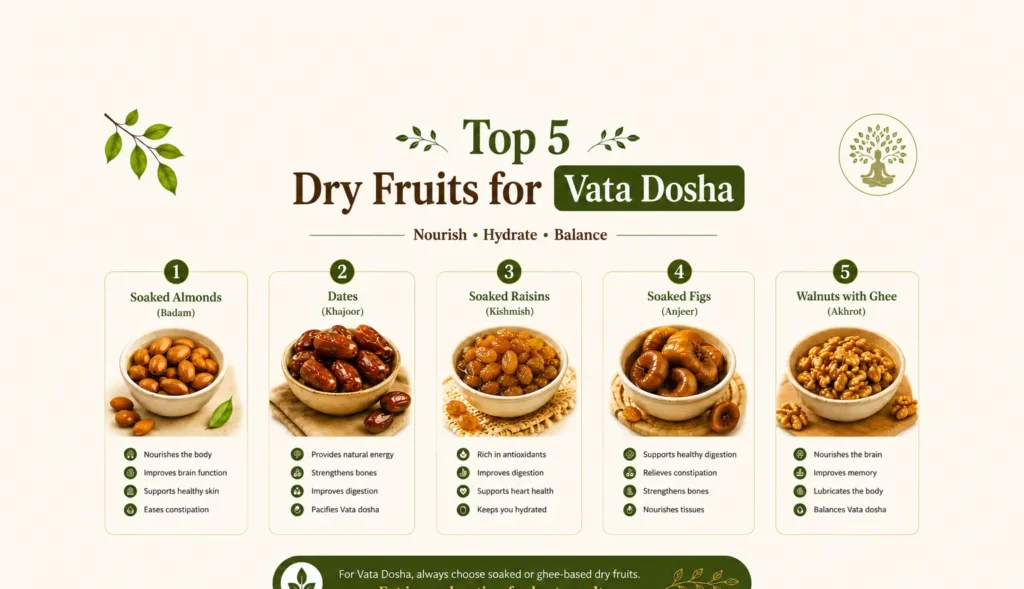
Yes, especially when it comes to almonds, raisins, and figs.
Soaking softens the texture, activates enzymes, improves digestibility, and helps reduce compounds like phytic acid, which can interfere with nutrient absorption.
For weight-watchers, soaking may also reduce post-snack bloating and enhance gut comfort.
Which Dry Fruits Help the Most with Weight Management?
Let’s break it down based on benefits:
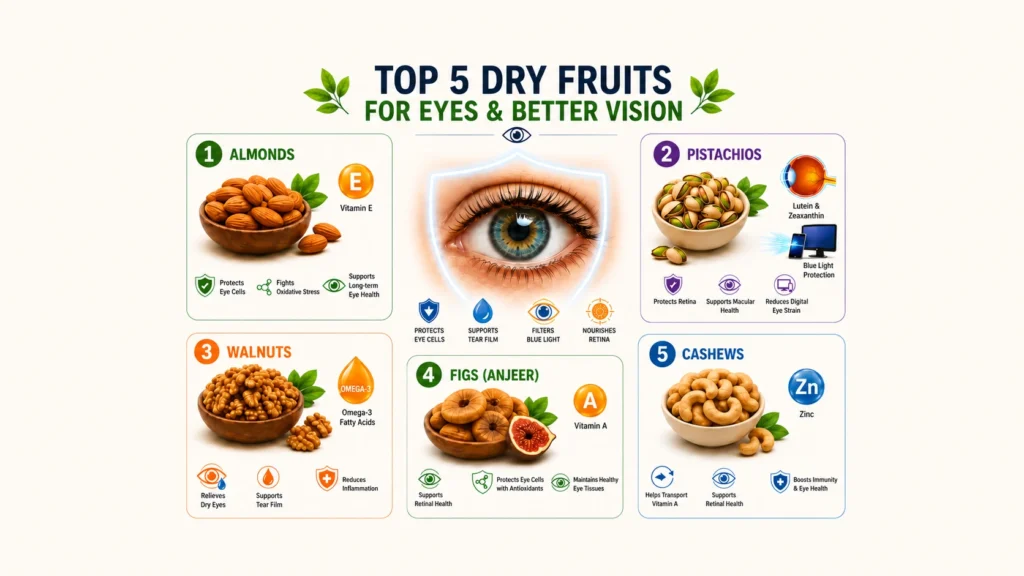
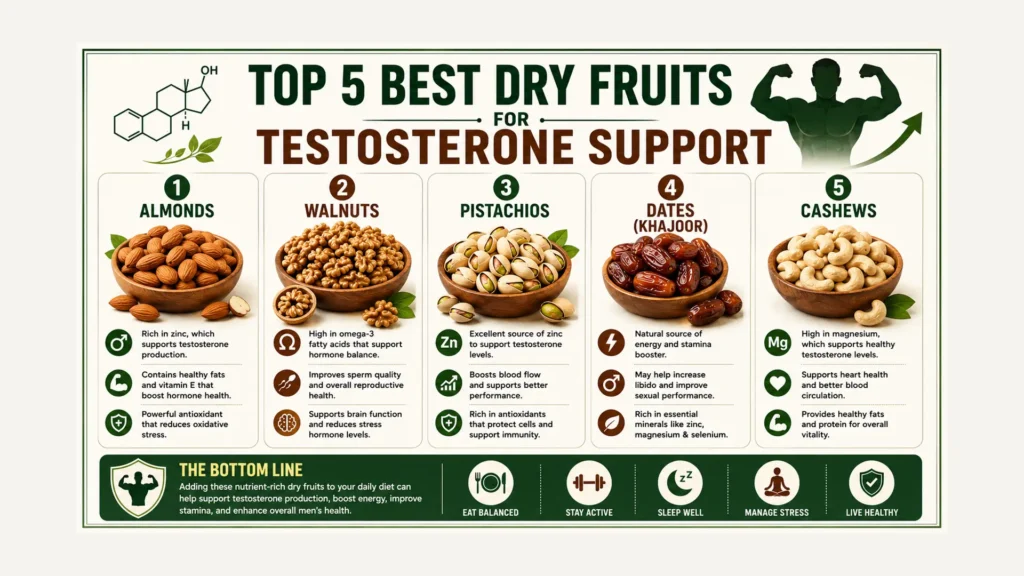
1. Almonds – The Protein & Fiber King
Almonds are low in carbs but rich in protein and fiber — a powerful combo that keeps you full for longer and reduces mid-meal snacking.
Great for: Morning snacks or post-workout munching
2. Walnuts – Brain-Boosting, Belly-Soothing
Walnuts contain omega-3 fats and antioxidants. They may support better fat metabolism and reduce inflammation — often linked to stubborn weight gain.
Great for: Mid-day clarity, evening hunger pangs
3. Figs – Gut-Friendly Sweet Fix
Figs are high in fiber and natural sweetness. They support digestion and curb sugar cravings in a healthier way.
Great for: Dessert replacement or sweet tiffin add-ons
4. Dates – Energy with a Purpose
Dates give you clean energy and are surprisingly satisfying. They can reduce the need for artificial sweets when you have that sugar dip in the late afternoon.
Great for: Pre-workout or 4 PM slump
5. Pistachios – The Portion-Controlled Snack
The act of shelling pistachios slows down your eating, making you more mindful of how much you consume. They’re also rich in protein and fiber.
Great for: Desk snack or controlled movie-night munchies
Portion Guide: How Much Is Too Much?
| Dry Fruit | Daily Max (for weight watchers) |
| Almonds | 6–8 |
| Walnuts | 2 halves |
| Pistachios | 8–10 (unsalted) |
| Figs | 2 small or 1 large |
| Dates | 1–2 (preferably Medjool) |
| Cashews | 6–7 (occasional, not daily) |
| Raisins | 1 tbsp |
Smart Tips for Including Dry Fruits in a Weight-Loss Diet
- Use in trail mixes, but keep portions small
- Chop into oatmeal, smoothies, or salads
- Pair with protein like yogurt or paneer
- Use as dessert replacements — e.g., date + nut energy bites
- Avoid frying them in ghee or sugar syrup
Final Word
Dry fruits aren’t your enemy on the weight-loss journey — they’re your ally, if eaten right. If you’ve asked yourself, are dry fruits good for dieting, the truth is they can support weight goals if eaten smartly.
They offer:
- Clean energy (unlike sugar spikes from junk food)
- Essential nutrients that prevent deficiencies
- Satiety, which helps you eat less overall
It’s time to stop fearing the calorie label and start eating with awareness and balance. Because when used smartly, dry fruits can nourish not just your cravings — but your goals.