Table of Contents
Summary
Dry fruits can help improve hemoglobin levels when included in a balanced diet. Options like raisins, dried apricots, cashews, dates, and figs provide iron, along with essential nutrients such as copper, folate, and antioxidants that support red blood cell production. However, simply eating iron-rich dry fruits is not enough.
Absorption plays a key role, and pairing dry fruits with vitamin C-rich foods can significantly improve iron uptake. At the same time, habits like consuming tea, coffee, or dairy around iron-rich meals can reduce absorption. While dry fruits can help improve energy levels and support blood health, they are not a replacement for medical treatment in cases of anemia. Consistency, proper combinations, and portion control are essential for achieving the best results.
Key Takeaways
- Dry fruits support hemoglobin but do not cure anemia
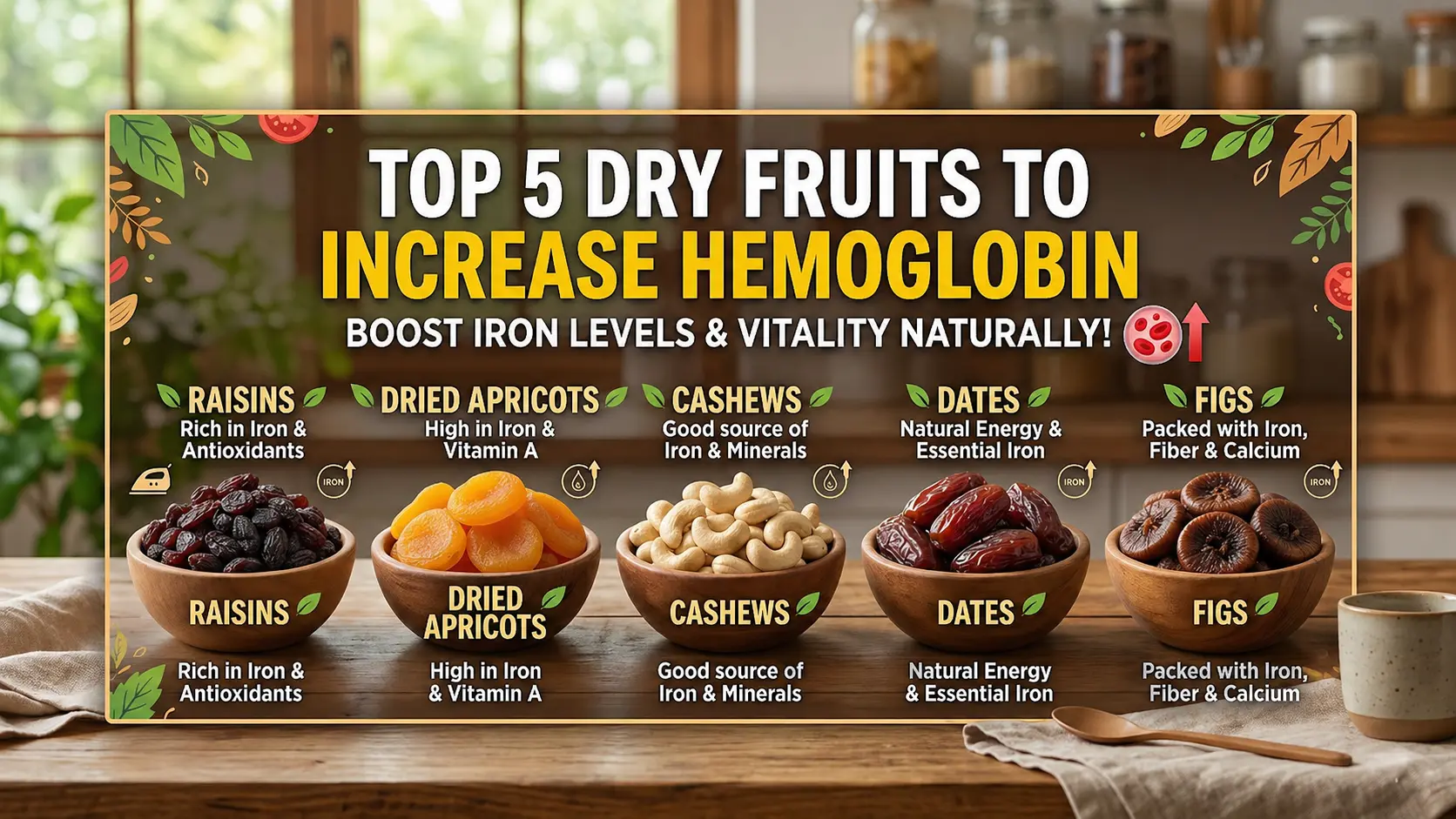
- Raisins, apricots, cashews, dates, and figs are top choices
- Iron absorption improves with vitamin C-rich foods
- Tea, coffee, and calcium can block iron absorption
- Consistency matters more than quantity
- A balanced diet is essential for better results
- Dry fruits help improve energy and reduce fatigue
- Portion control is important to avoid excess calories
Dry Fruits That Can Help Increase Hemoglobin
Low energy, constant fatigue, and feeling breathless even after small tasks are often early signs that your hemoglobin levels may be low. In fact, iron deficiency anemia remains one of the most common nutritional problems worldwide, affecting a large portion of the population, especially women.
Hemoglobin plays a critical role in carrying oxygen through your blood, and when levels drop, your body struggles to function efficiently. According to Walter Willett, nutrient-dense foods that provide essential minerals like iron can play an important role in supporting overall blood health and energy levels when included consistently in the diet.
Dry fruits are really good for you because they have a lot of iron in them. They also have helpful things, like copper, folate, and antioxidants. Dry fruits cannot cure anemia. Eating them can help keep your hemoglobin levels up, give you more energy, and make your daily meals better. Using fruits the right way can really support your health and help you feel more energetic every day.
Top 5 Dry Fruits to Increase Hemoglobin (With Real-Life Insights)
If you are looking for the most effective options, these are considered the best dry fruits for increasing hemoglobin naturally. Each of these supports iron intake, red blood cell production, and overall blood health in different ways.
1. Raisins
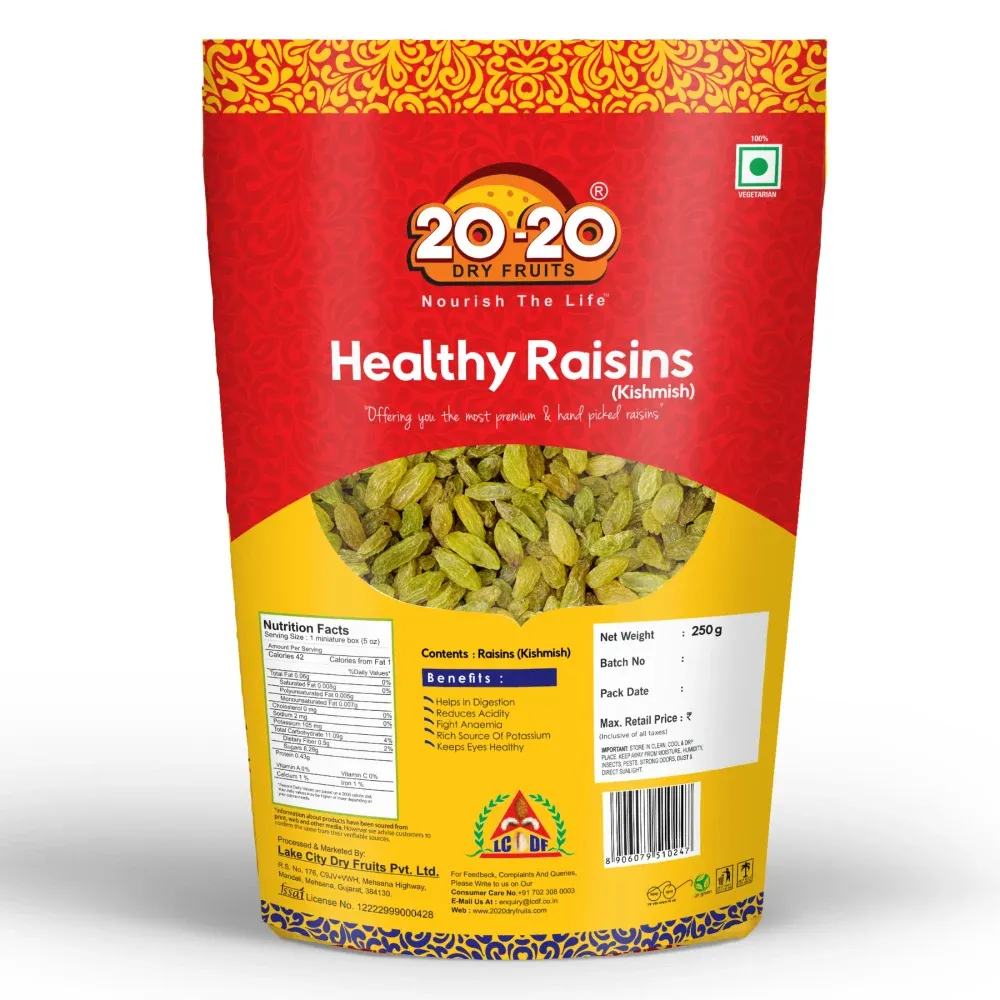
Raisins are one of the most commonly recommended dry fruits for hemoglobin. They contain iron and natural sugars that help improve energy and support blood health.
Benefits:
- Provide iron for hemoglobin production
- Help reduce fatigue and weakness
- Easy to consume daily
Pros:
- Affordable and widely available
- Easy to add to meals
- Quick energy source
Cons:
- High natural sugar
- Overeating may affect blood sugar
Best Way to Consume:
Soak 6–8 raisins overnight and eat in the morning.
Case Insight (Real Pattern):
People with mild iron deficiency who start consuming soaked raisins daily often report improved energy levels within a few weeks, especially when combined with better overall diet habits.
Buy Here.
2. Dried Apricots
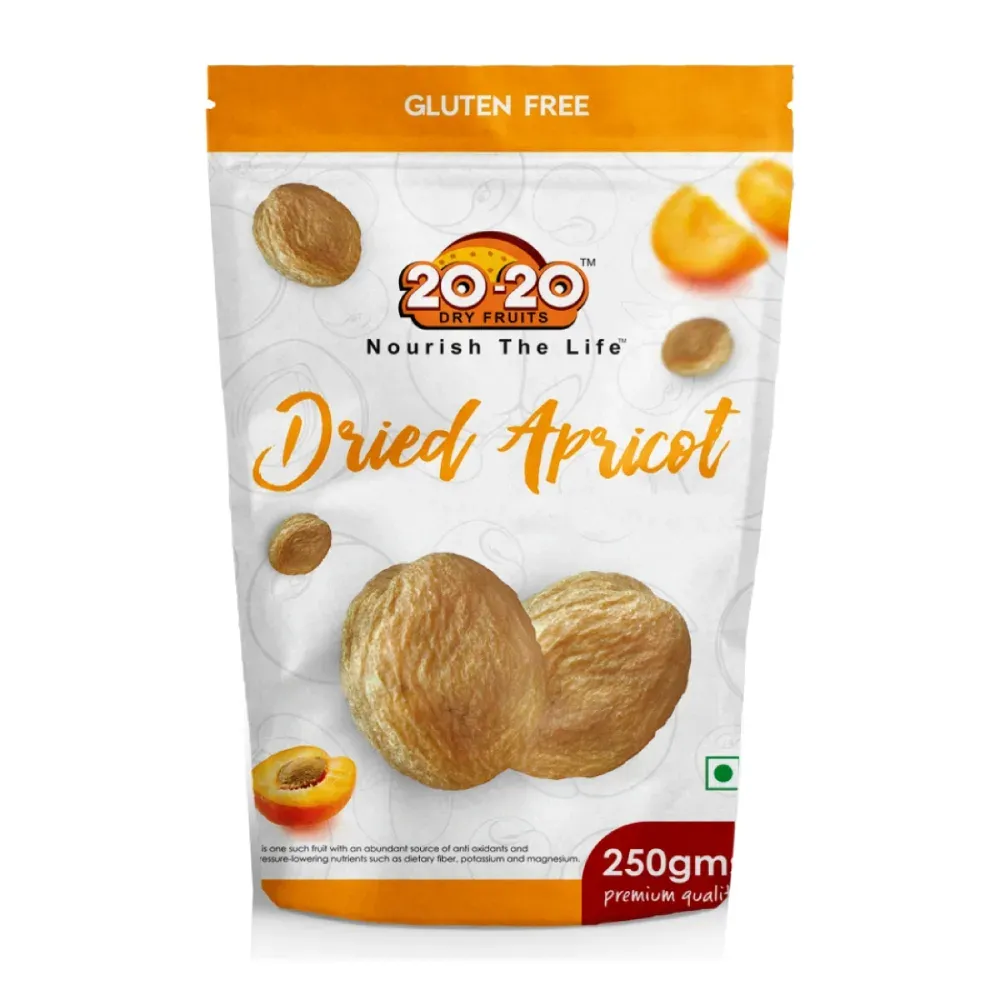
Dried apricots are one of the richest dry fruits for iron and also provide vitamin A, which supports red blood cell formation.
Benefits:
- High iron content
- Supports hemoglobin production
- Improves overall nutrition
Pros:
- Strong plant-based iron source
- Naturally sweet
- Helps improve diet quality
Cons:
- May contain preservatives if not natural
- High sugar if consumed excessively
Best Way to Consume:
Eat 2–3 apricots daily with vitamin C-rich foods.
Case Insight:
Dietary studies show that combining plant-based iron sources with vitamin C improves iron status over time.
3. Cashews
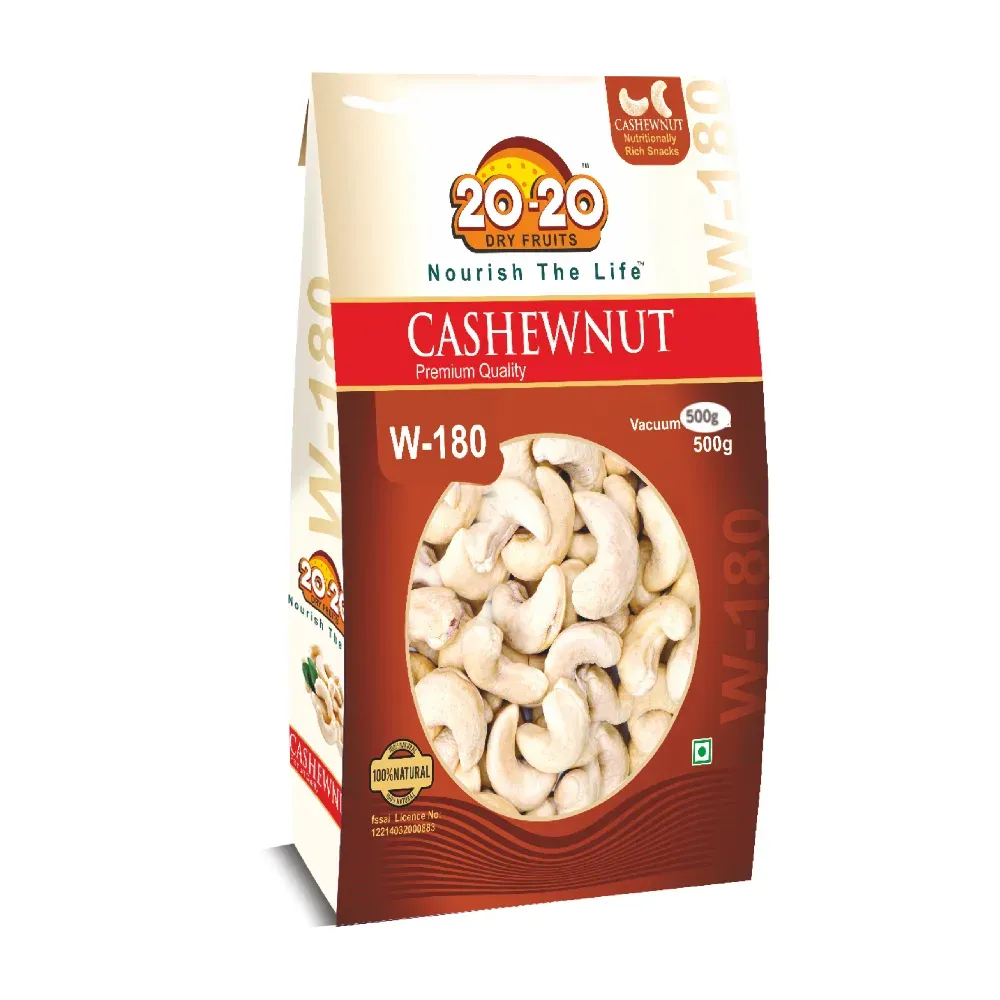
Cashews provide iron along with copper, which plays a key role in iron absorption and utilization in the body.
Benefits:
- Support iron metabolism
- Improve energy levels
- Help maintain nutritional balance
Pros:
- Nutrient-dense
- Filling and satisfying
- Easy snack option
Cons:
- High calorie
- Overconsumption may lead to weight gain
Best Way to Consume:
Eat 4–6 cashews daily.
Case Insight:
People who replace processed snacks with nuts like cashews often experience more stable energy and better dietary consistency, which indirectly supports hemoglobin improvement.
Buy Here.
4. Dates
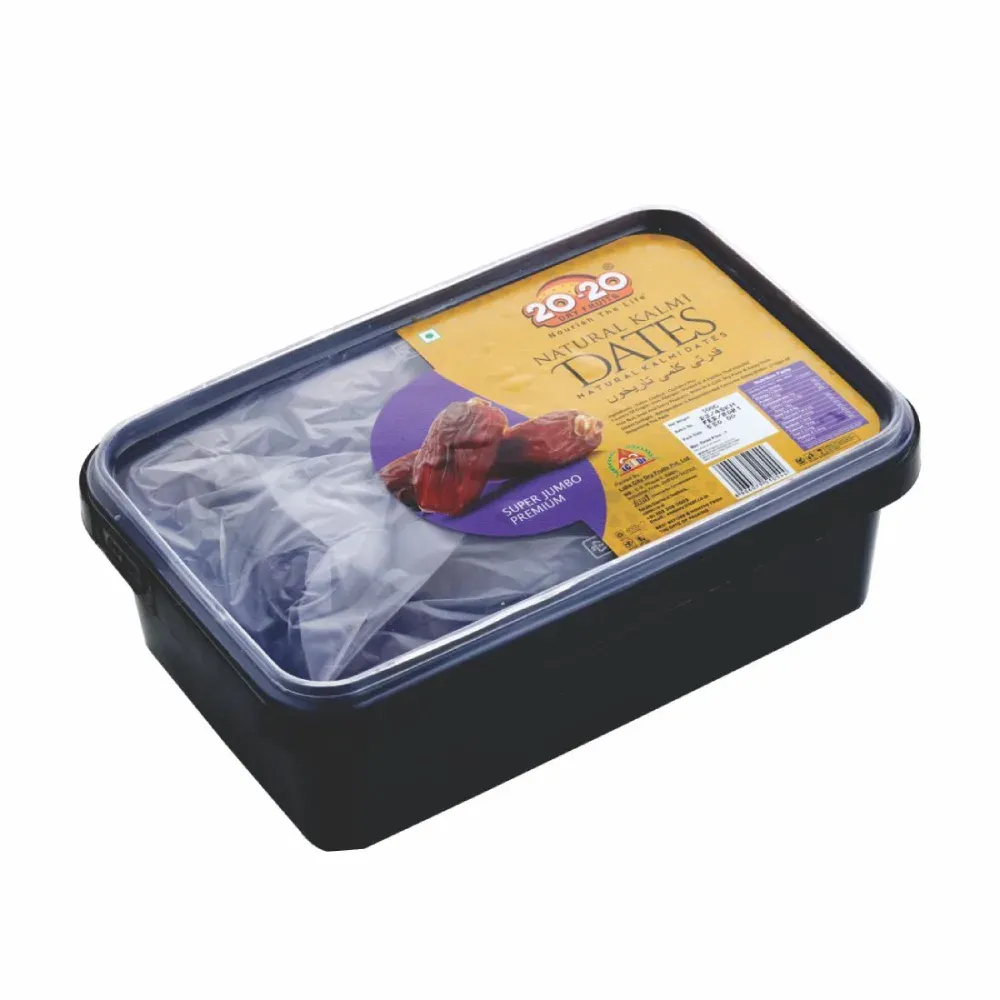
Dates offer iron and folate, along with quick energy, making them useful for people experiencing fatigue due to low hemoglobin.
Benefits:
- Provide quick energy
- Support blood formation
- Help reduce weakness
Pros:
- Convenient and portable
- Natural energy booster
- Easy to include in routine
Cons:
- Very high in sugar
- Should be limited in excess
Best Way to Consume:
1–2 dates per day with nuts.
Case Insight:
In people experiencing low energy due to poor diet, adding dates often improves daily stamina, although they work best as part of a balanced nutrition plan rather than a standalone solution.
5. Figs (Anjeer)
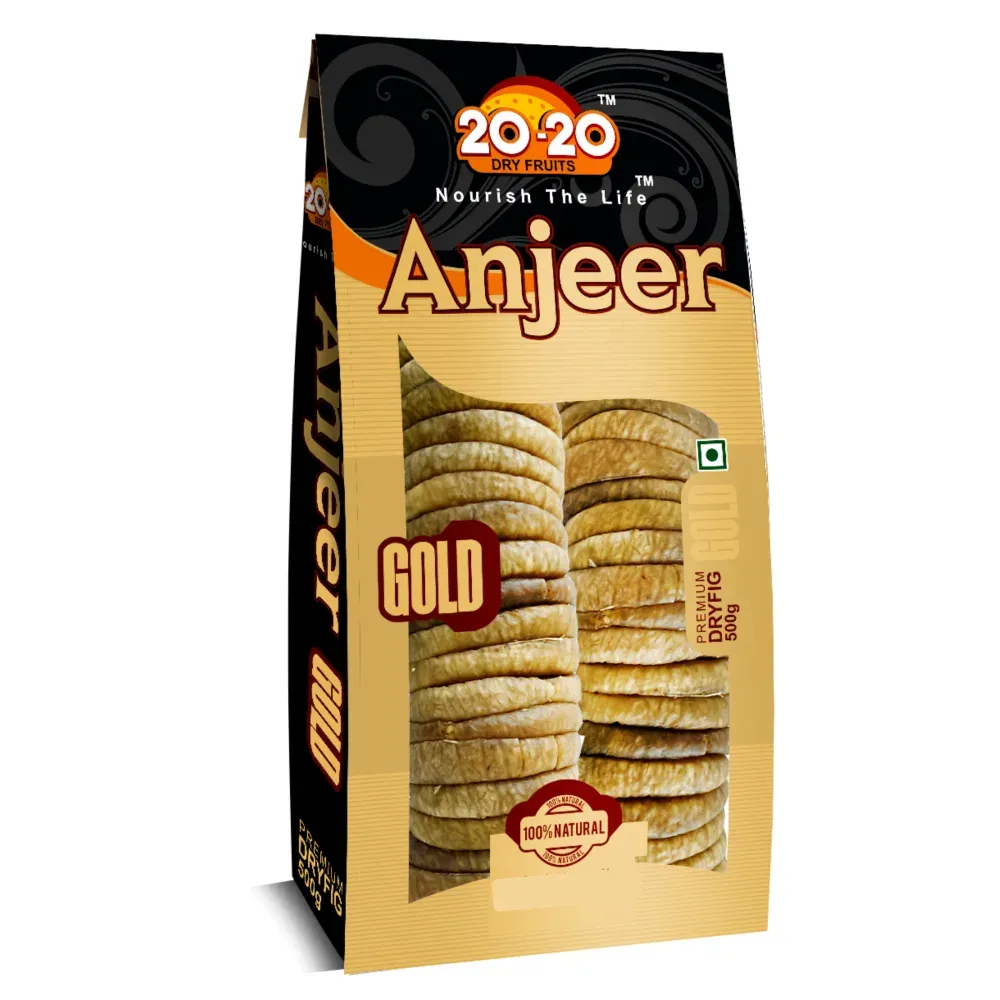
Figs contain iron, calcium, and antioxidants that support blood health and improve digestion.
Benefits:
- Improve digestion
- Support mineral balance
- Contribute to iron intake
Pros:
- Good for gut health
- Adds variety
- Supports overall nutrition
Cons:
- Can feel heavy if overeaten
- Contains natural sugars
Best Way to Consume:
Soak 1–2 figs overnight and eat in the morning.
Case Insight:
People with both low iron intake and digestive issues often benefit from soaked figs, as better digestion supports nutrient absorption.
Comparison Table: Top Dry Fruits for Increasing Hemoglobin
| Dry Fruit | Iron Support | Key Nutrients | Best For | Sugar Level | Ease of Daily Use |
| Raisins | Moderate | Iron, Copper | Daily use, quick energy | High | Very easy |
| Dried Apricots | High | Iron, Vitamin A | Strong iron boost | Moderate to high | Easy |
| Cashews | Moderate | Iron, Copper, Magnesium | Energy + iron absorption | Low to moderate | Easy |
| Dates | Moderate | Iron, Folate | Instant energy, fatigue | Very high | Very easy |
| Figs (Anjeer) | Moderate | Iron, Calcium, Fiber | Digestion + iron support | Moderate | Easy |
Nutritional Statistics Table (Approx Values per 100g)
| Dry Fruit | Iron (mg) | Calories (kcal) | Sugar (g) | Fiber (g) | Key Highlight |
| Raisins | ~1.9 mg | ~299 kcal | ~59 g | ~3.7 g | Energy + iron support |
| Dried Apricots | ~2.7 mg | ~241 kcal | ~53 g | ~7 g | Higher iron + vitamin A |
| Cashews | ~6.7 mg | ~553 kcal | ~6 g | ~3.3 g | Iron + copper combo |
| Dates | ~1.0 mg | ~282 kcal | ~63 g | ~8 g | Instant energy source |
| Figs (Dry) | ~2.0 mg | ~249 kcal | ~48 g | ~10 g | Fiber + mineral support |
The best dry fruits to increase hemoglobin, and why they help
Iron helps your body make hemoglobin. Along with iron, nutrients like copper, folate, and vitamin A also support red blood cell health. That is why some dry fruits stand out more than others.
How Dry Fruits Support Hemoglobin (Scientific Explanation)
Dry fruits support hemoglobin production through multiple biological processes.
Iron is really important for making hemoglobin, which is what carries oxygen in our blood. Copper is also very helpful because it assists our body in using iron. Folate is good for making blood cells, and antioxidants help keep our blood cells from getting damaged.
There is iron in fruits but our body does not absorb it as well as the iron we get from food that comes from animals. This kind of iron, from fruits, is called plant-based iron or non-heme iron.. If we eat dry fruits with foods that have a lot of vitamin C, it really helps our body absorb the iron from the dry fruits.
This is why how you eat dry fruits matters just as much as which dry fruits you choose.
Nutrient Comparison of Dry Fruits for Hemoglobin
| Dry Fruit | Key Nutrient | Hemoglobin Benefit |
| Raisins | Iron | Supports red blood cell production |
| Apricots | Iron + Vitamin A | Improves blood formation |
| Cashews | Iron + Copper | Enhances iron absorption |
| Dates | Iron + Folate | Supports energy and blood health |
| Figs | Iron + Calcium | Supports overall blood function |
Cashews, raisins, and dried apricots are strong everyday choices
Cashews are one of the better options because they give you more iron than many other nuts. They also contain copper, which helps the body use iron well. A small handful fits easily into breakfast or an afternoon snack.
Raisins are simple, cheap, and easy to eat often. They don’t carry huge amounts of iron in a small serving, but they do add some iron and copper. Because they’re so easy to mix into oats, yogurt, or trail mix, they can become a steady part of your routine. This practical value matters more than hype.
Dried apricots are another smart pick. They offer iron and also provide vitamin A, which supports healthy blood cell function. They work well when you want a fruit-based snack instead of something salty. For a broader look at iron-rich options, this guide on iron-rich dried fruits and nuts helps provide additional context.
Dates and dried figs can support energy and iron intake
Dates give you some iron and folate, and they also add quick energy. That makes them helpful if low iron has left you drained. Still, dates are not a cure. They work best as one part of a mixed food plan.
Dried figs, which people also call anjeer have iron and other minerals like calcium and potassium. Dried figs can be a choice when you want to try something different because eating the same dried fruit every day can get boring.
Sometimes a simple mix is the way to go: you can have cashews for iron, raisins for a daily snack, apricots for iron and vitamin A, and dates or dried figs, for a balanced mix.
How to eat dry fruits so your body can use the iron better
Getting iron from food is not only about what you eat. It also depends on what you eat with it, and what you eat around it.
Pair them with vitamin C rich foods for better absorption
Plant-based iron is harder for the body to absorb than iron from meat. Vitamin C helps solve part of that problem. It helps your body take in more iron from foods like raisins, dates, apricots, and figs.
Easy pairings work well in real life. Try raisins with orange slices. Eat dates with strawberries. Add chopped dried apricots to a bowl with kiwi. Even a squeeze of lemon over a snack plate can help.
A smart pairing can do more than a larger portion eaten the wrong way.
What blocks iron absorption (Important but often missed)
Certain foods and habits can reduce how much iron your body absorbs:
- Tea and coffee
- Calcium-rich foods like milk
- Eating iron-rich foods and caffeine together
Spacing these foods apart can make a noticeable difference in improving hemoglobin levels.
Soaking, portion size, and what not to take at the same time
Soaking some dry fruits overnight may help reduce compounds that can limit iron absorption. Soaked raisins and figs are popular for that reason, and many people find them easier to digest too.
Keep portions moderate. A small handful, about 20 to 30 grams a day, is enough for most adults as part of a balanced diet. More is not always better, especially with sweet options like dates and raisins.
Also, timing matters. Tea, coffee, and large amounts of dairy close to an iron-rich snack can lower iron absorption. Give some space between them when you can.
Who should be careful with dry fruits
Dry fruits are healthy, but not everyone should consume them in the same way.
- People with nut allergies should avoid or consult a doctor
- People with high blood sugar should limit high-sugar dry fruits
- People managing weight should control portion size
Understanding your body condition is important before making dietary changes.
What experts say, what real life results look like, and when to see a doctor
In the US, current federal diet guidance supports dried fruit and nuts as part of a healthy eating pattern. However, dietary guidelines do not list dry fruits as a treatment for anemia. That distinction matters.
Expert opinion: dry fruits can help, but they are not a full treatment
Clinical nutrition guidance treats food as support, not full treatment when anemia is moderate or severe. Dry fruits like raisins, apricots, dates, figs, and cashews can raise iron intake. Still, low hemoglobin may also need blood tests, iron supplements, or treatment for underlying causes.
A simple case example and real-life pattern
Before adding dry fruits:
- Low energy
- Frequent fatigue
- Poor dietary iron intake
After adding dry fruits regularly:
- Better energy levels
- Improved consistency in eating habits
- Reduced fatigue over time
These changes are commonly seen when dry fruits replace processed snacks and are consumed regularly in balanced portions.
FAQs on Dry Fruits to Increase Hemoglobin
Which dry fruits increase hemoglobin the fastest?
Dry fruits like raisins, dried apricots, cashews, dates, and figs are among the best dry fruits to increase hemoglobin naturally because they provide iron and support red blood cell production.
What are the best dry fruits for hemoglobin and anemia?
The best dry fruits for hemoglobin and anemia include raisins, apricots, figs (anjeer), cashews, and dates. These iron-rich dry fruits help improve hemoglobin levels when consumed regularly.
How do dry fruits help increase hemoglobin in the body?
Dry fruits help increase hemoglobin by providing iron, which is essential for red blood cell formation. They also contain copper, folate, and antioxidants that support iron absorption and blood health.
Which dry fruit is highest in iron content?
Dried apricots and raisins are considered among the highest iron-rich dry fruits. Including them in your daily diet can support hemoglobin production.
How many dry fruits should I eat daily to increase hemoglobin?
A small handful of dry fruits, around 20 to 30 grams per day, is generally enough to support hemoglobin levels without excessive calorie intake.
Can dry fruits cure anemia completely?
Dry fruits can support hemoglobin levels and improve iron intake, but they cannot cure anemia on their own. Medical treatment may be required in moderate or severe cases.
Which dry fruits are best for low hemoglobin and weakness?
Raisins and dates help provide quick energy, while apricots and cashews support iron intake, making them useful for low hemoglobin and fatigue.
How to eat dry fruits for better iron absorption?
Pair dry fruits with vitamin C-rich foods like lemon, orange, or amla to improve iron absorption. Avoid tea or coffee near iron-rich meals.
Are soaked dry fruits better for increasing hemoglobin?
Yes, soaked dry fruits like raisins and figs may improve digestion and nutrient absorption, making them more effective for supporting hemoglobin.
What is the best time to eat dry fruits for hemoglobin?
Morning is the best time to eat dry fruits, especially on an empty stomach, as it helps improve absorption and provides sustained energy.
About the Author
20-20 Dry Fruits is a trusted name in the dry fruits industry with over 15+ years of expertise in sourcing, processing, and delivering premium-quality dry fruits across India. The brand focuses on providing fresh, natural, and carefully selected products that meet high standards of quality, nutrition, and safety.
The people who made this content really know a lot about fruits and how they can affect our health. They write articles that use what they know from doing things and from studying to help people decide what to eat.
20-20 Dry Fruits wants to make sure that the things they sell are really good and that the information they give people is easy to understand and true. They care about helping people be healthy every day. 20-20 Dry Fruits is about quality and doing things the same way every time. 20-20 Dry Fruits sells quality dry fruits and also wants to give people information that supports their health and wellness every day.
Sources & References
This content is based on research and insights from your article and globally recognized nutrition guidelines:
- World Health Organization
https://www.who.int/health-topics/anaemia - National Institutes of Health
https://ods.od.nih.gov/factsheets/Iron-HealthProfessional/ - National Health Service
https://www.nhs.uk/conditions/iron-deficiency-anaemia/ - Harvard T.H. Chan School of Public Health
https://www.hsph.harvard.edu/nutritionsource/iron/ - Cleveland Clinic
https://my.clevelandclinic.org/health/diseases/3929-anemia
Conclusion
If you are searching for which dry fruits increase hemoglobin, the answer is not just one single food; it is a combination of the right dry fruits, eaten in the right way, and consistently over time.
Dry fruits like raisins, dried apricots, cashews, dates, and figs can support hemoglobin levels because they provide iron along with essential nutrients like copper and folate that help in red blood cell production. However, the real impact comes from how you include them in your daily routine. Pairing them with vitamin C-rich foods, maintaining proper portion sizes, and avoiding habits that block iron absorption can significantly improve their effectiveness.
At the same time, it is important to understand that dry fruits are a supportive dietary solution, not a medical treatment. If you are dealing with persistent fatigue, dizziness, or very low hemoglobin levels, proper diagnosis and medical guidance are necessary.
The goal is simple: build a consistent, balanced approach where dry fruits become a daily habit rather than an occasional fix. When used correctly, they can help improve energy levels, support blood health, and contribute to overall well-being practically and sustainably.
For More Info contact us