You’ve just wrapped up your workout. Your body is warm, your heart is pumping, and your muscles have been pushed — in the best way. Now comes the most important part of any fitness routine that often gets overlooked: recovery.
Whether you’re a dedicated gym-goer, a casual evening walker, or someone who swears by morning yoga, the food you eat post-workout plays a crucial role in how your body heals, refuels, and grows stronger.
But what if your recovery snack was clean, compact, nutrient-rich — and didn’t come from a lab?
Enter: dry fruits.
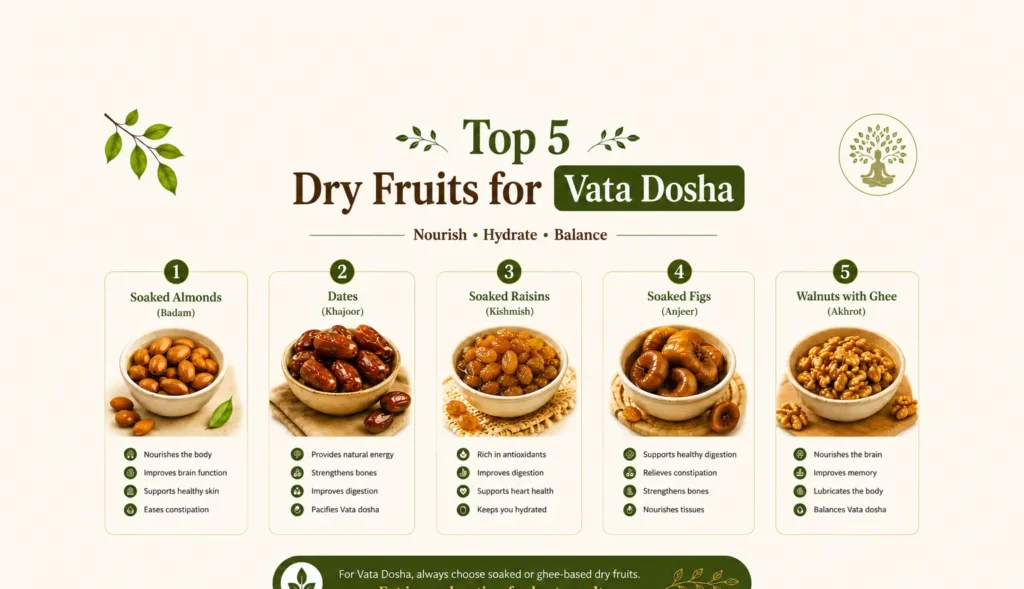
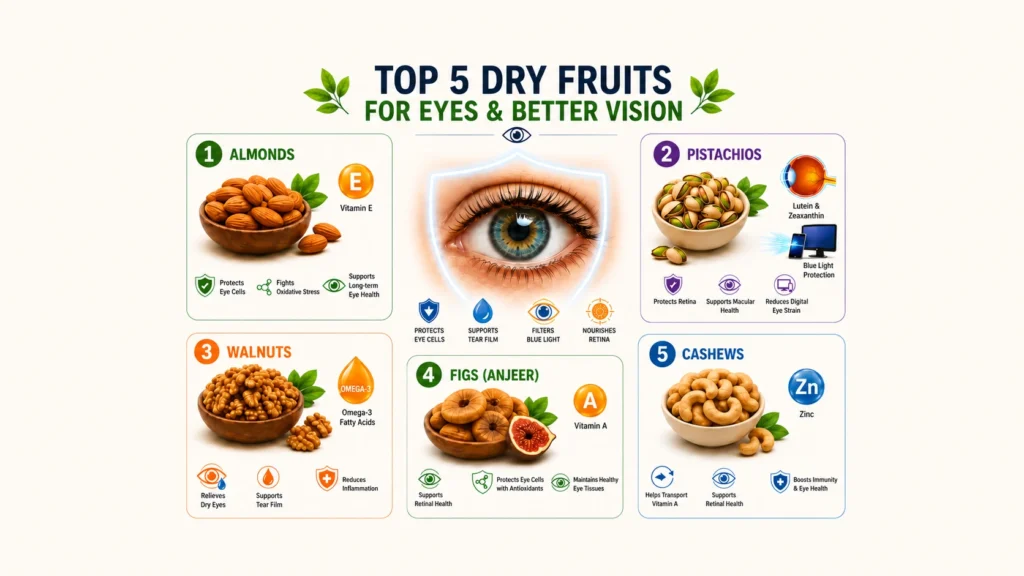
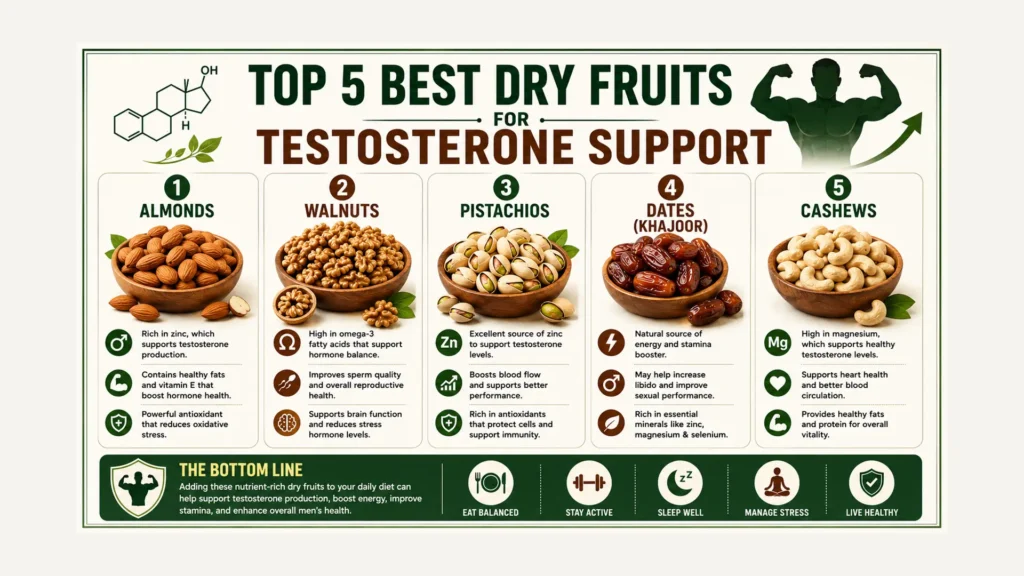
These tiny nutritional powerhouses are often underestimated in the fitness world. Yet almonds, walnuts, and dates — among others — offer everything your body craves after physical activity: protein, natural sugar, healthy fats, fiber, and key micronutrients that support muscle repair and energy restoration.
Let’s take a closer look at why dry fruits make ideal post-workout fuel, especially if you’re looking for something natural, effective, and easy to add to your daily routine.
Why Post-Workout Nutrition Matters
Exercise breaks down your muscle fibers. That’s not a bad thing — it’s how strength is built. But for muscles to grow and for fatigue to fade, your body needs fuel.
The post-workout window — ideally within 30–45 minutes of exercise — is when your body is most receptive to replenishing glycogen stores (energy), repairing micro-tears in muscles, and reducing inflammation.
Skip this window, and you might feel sluggish, sore, or struggle to see results from your workouts.
While protein shakes and bars get all the hype, dry fruits offer a more natural, balanced option that delivers sustained energy, essential nutrients, and a better gut experience.
Almonds: The Lean Recovery Partner
Almonds aren’t just a healthy snack — they’re a recovery tool in your gym bag.
Why Almonds Work After a Workout:
- Protein Power: A small handful (about 23 almonds) gives you 6g of protein — a building block your muscles need to recover.
- Magnesium Boost: Almonds are rich in magnesium, which helps with muscle relaxation and prevents cramps.
- Healthy Fats: Their mono-unsaturated fats reduce inflammation, helping your muscles recover without triggering soreness.
How to Use Almonds Post-Workout:
Pair a handful of almonds with a piece of fruit (like banana or apple) or blend them into a smoothie. You’ll get the perfect combo of protein + carbs + fat for optimal recovery.
Walnuts: Brain Food That Loves Your Muscles Too
Often praised for their brain benefits, walnuts also carry a strong post-workout advantage.
Why Walnuts Support Recovery:
- Omega-3s for Inflammation: Walnuts are one of the few plant-based sources of ALA, an omega-3 that reduces muscle inflammation.
- Antioxidants: They’re rich in compounds like ellagic acid that help your body fight oxidative stress after workouts.
- Protein + Good Fats: This combo helps repair muscle tissue and restore energy.
When to Choose Walnuts:
After a high-intensity session or long run, your body is dealing with wear and tear. A small serving of walnuts can support joint recovery and boost endurance long-term.
Dates: Nature’s Energy Recharger
Feeling drained after cardio? Dates are your natural Gatorade — minus the artificial stuff.
Why Dates Are the Ideal Carb Source:
- Natural Sugar, Quick Absorption: Dates provide glucose and fructose — perfect for quick energy replenishment.
- Potassium for Muscle Function: They contain more potassium per gram than bananas, helping prevent post-exercise cramps.
- Iron & Fiber: Especially great for women or anyone on a plant-based diet, dates support oxygen flow and digestion.
How to Use Dates:
- Stuff them with peanut butter or almond butter for a powerful carb-protein duo.
- Blend with milk and walnuts for a creamy recovery shake.
- Chop them into overnight oats for a post-morning run fuel-up.
The Science of Snacking Right: What You Actually Need
Here’s what an ideal post-workout snack should offer:
- Carbs to restore energy (glycogen)
- Protein to rebuild muscle
- Healthy fats to reduce inflammation
- Vitamins + minerals to support repair
Dry fruits deliver all of this — in a natural, shelf-stable, easy-to-carry form. No added sugars, no chemicals, no chalky aftertastes.
And unlike processed snacks, dry fruits keep your digestion in check — which means better absorption of nutrients and fewer bloating episodes post-gym.
Sample Post-Workout Dry Fruit Combos
Need some inspiration? Here are a few easy, balanced ideas:
The Quick Fix
- 5–6 almonds
- 2 dates
- 1 glass of milk (dairy or plant-based)
The Smoothie Bowl
- 1 frozen banana
- 6 almonds
- 4 walnut halves
- 2 chopped dates
- ½ cup Greek yogurt or protein-rich curd
Blend it all, top with a few more chopped nuts, and eat with a spoon.
The Power Pack (For Meal Preppers)
- 10 almonds
- 5 walnut halves
- 3 dates
- Sprinkle of chia seeds or pumpkin seeds
Portion this into a small airtight box — ideal for post-gym snacking at your desk or during commute.
When to Snack and When to Eat a Full Meal
Dry fruits are perfect for that 30–60 minute window after exercise — especially if you can’t eat a full meal right away.
But remember, they’re part of your recovery — not a replacement for real food. Follow up your dry fruit snack with a full meal within 2–3 hours that includes:
- Lean protein (like paneer, eggs, or lentils)
- Complex carbs (like whole grains or sweet potatoes)
- Vegetables and hydration
Think of dry fruits as your bridge snack — giving you the fuel to recover properly until it’s mealtime.
Final Thought: Fuel with Intention, Not Fads
Fitness isn’t built just in the gym. It’s built in your choices afterward.
Choosing dry fruits as a post-workout snack isn’t just smart — it’s sustainable. You’re giving your body what it needs, without compromising on taste, convenience, or clean eating.
So next time your muscles are calling for fuel, skip the synthetic bars. Go back to the basics. Grab a handful of almonds, walnuts, or dates — and give your body the recovery it actually deserves.